

GoGreenNext in Malta: Day 1 Pilot Site Showcases
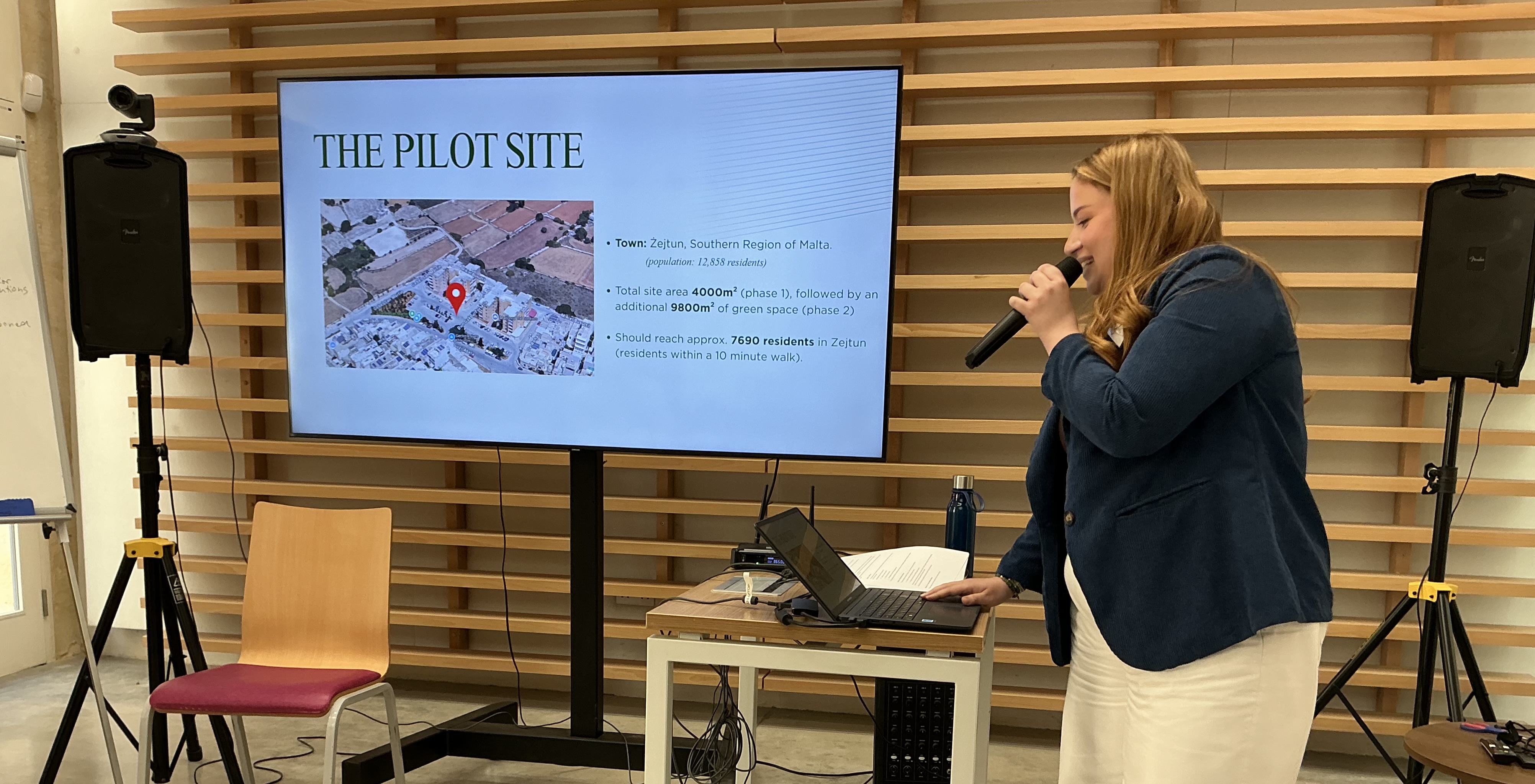
The second half of Day 1 at the Go Green Next consortium meeting in Malta, focused on one of the most anticipated elements of the programme: The pilot site showcases: Klagenfurt, Cork, Päijät-Häme, and Malta. Our pilot sites are where research meets evidence-based data collection, that can inform sustainable future policy making that reflect climate and human health goals for cities! Everyone was excited to hear how their progress, impact, and timelines were going.
It is important to highlight that each of our pilots represent unique social, economic, cultural, geographical and climatic contexts for investigating. This reminds us to remain aware, and critical of these contextual factors across the four pilot sites, particularly when analysing the impact of our initiatives, and how best our shared goals will translate into policy recommendations that reflect them.
Cork City and Klagenfurt, are our city examples, Päijät-Häme is our regional example, and Malta is our country level example.
Each pilot site leader shared their progress, challenges, and impact to date. With approximately 27 months remaining in the project, these presentations provided a valuable opportunity to reflect on progress during a key reporting period that is currently running until December 2026.
Klagenfurt Pilot
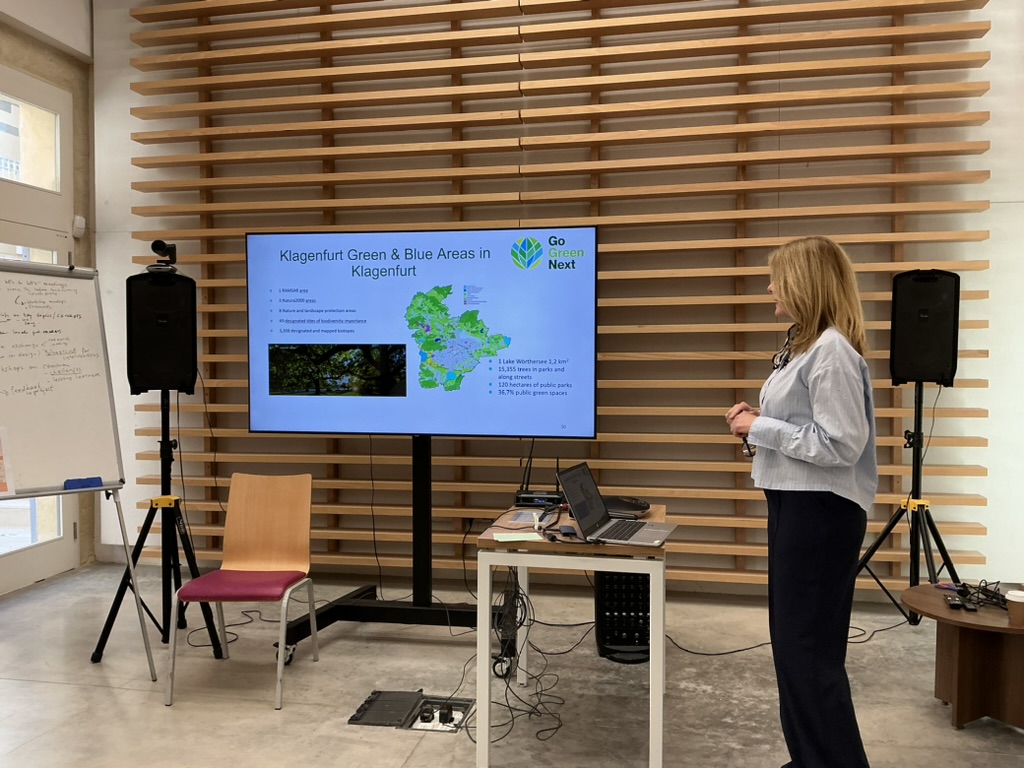
Birgit Pobatschnig, project manager, opened by discussing some background information about Klagenfurt: The typical humid climate, the 105,000 people living there, the 3 major universities, the 8 nature and landscape protection areas, and 49 areas of biodiversity importance, its capital Carinthia, and the numerous mountains, forests, and lakes available for citizens, making it an opportunistic site for long-lasting impact.
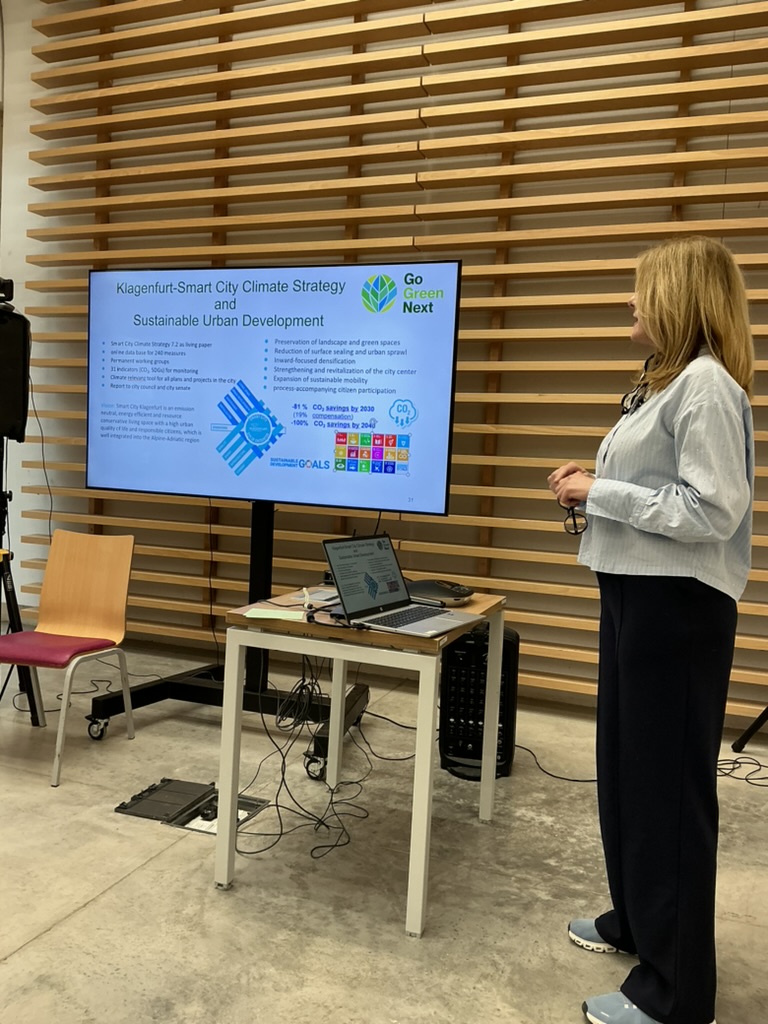
Birgit then discussed the ongoing work aligned with the city’s Smart City Climate Strategy and Sustainable Urban Development Goals, which aims to generate 81 % of Co2 emission savings by 2030.
Key initiatives include:
- Redesigning public spaces to improve climate resilience
- Enhancing flood protection through re-naturalisation
- Supporting de-sealing programmes to contribute to climate neutrality
Päijät-Häme Pilot
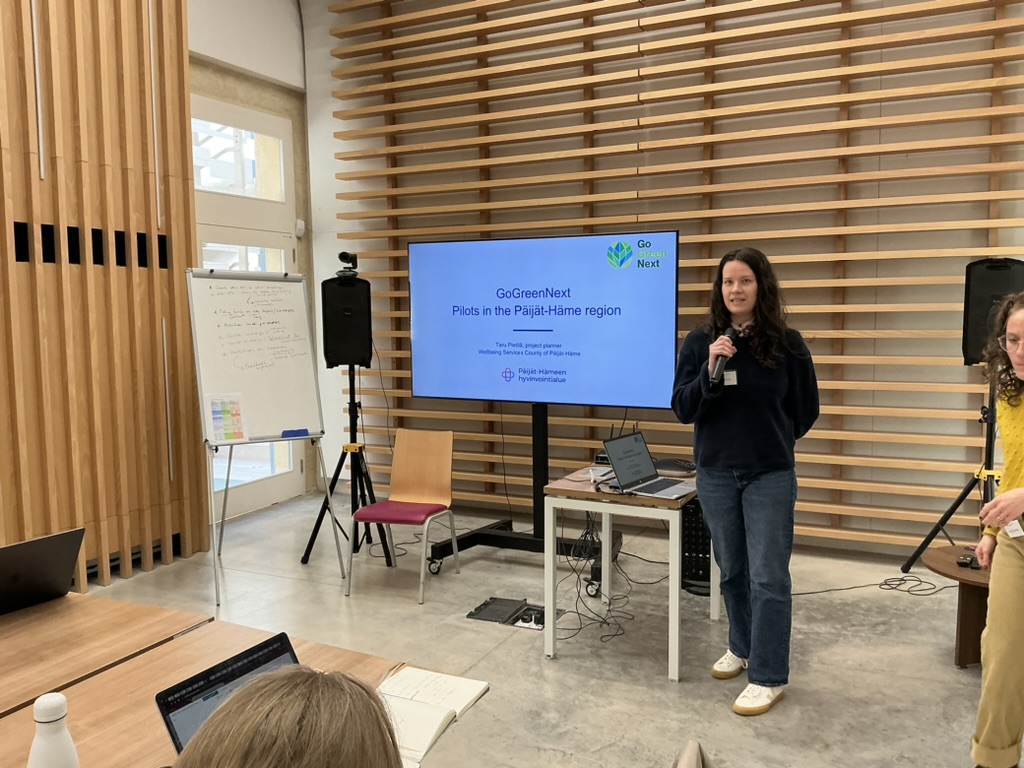
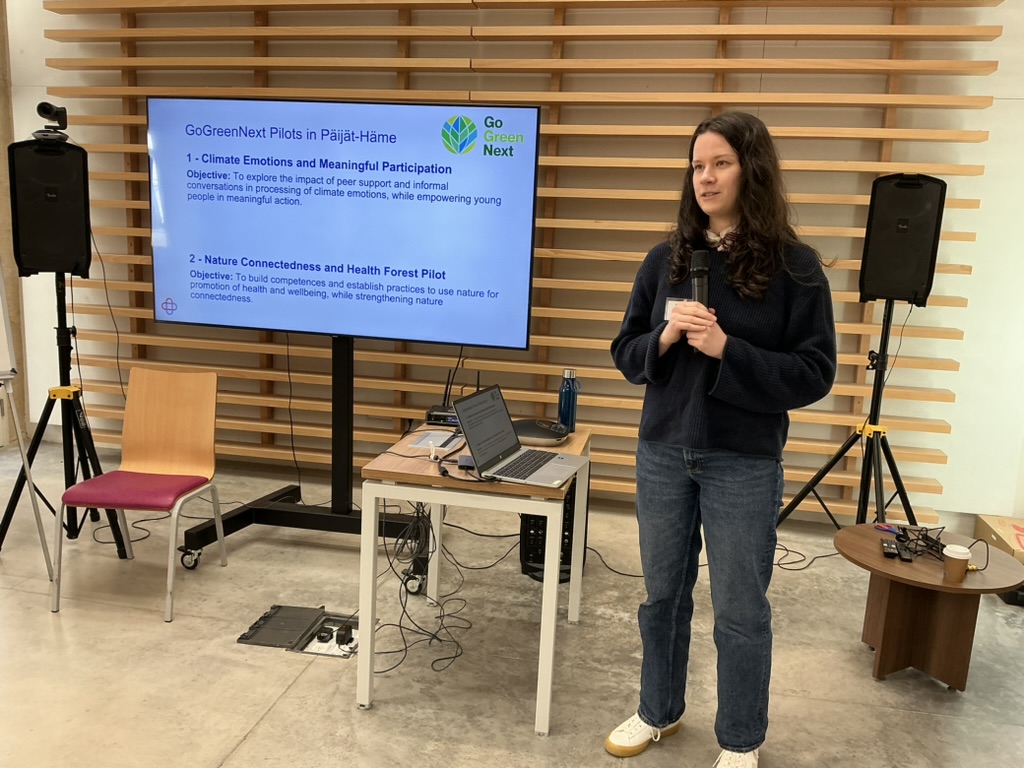
Taru Pietilä, project planner, highlighted the innovative and novel approaches taking place at their pilot site that focuses on climate emotions, meaningful participation methods and youth engagement.
Initiatives include:
- Hosted 11 Climate cafés for young people (ages 11–29)
- MoodFest Youth Event in Laithi in 2025
- Youth Influence and Participation Day in Hollola (April 2026)
Their objective is to establish practices to use nature for the promotion of health and wellbeing, whilst simultaneously strengthening nature connectedness.
How?
- Through hosting events in inclusive spaces such as community centres
- Non-formal settings that offer peer support
- Tailoring activities to be age-appropriate and to specific needs
Using “health forests” as another example of their work to date, they have focused on supporting employees who may experience high work-related stress.
By organising 90 minutes sessions in nearby green spaces they aim to acknowledge the stress factors impacting workers whilst awakening a curiosity towards the connection between humans and nature.
Cork Pilot
Dr. Annalisa Setti (School of Applied Psychology) from University College Cork presented a co-designed, community-led placemaking initiative that has been taking place in Mahon.
There work focuses on:
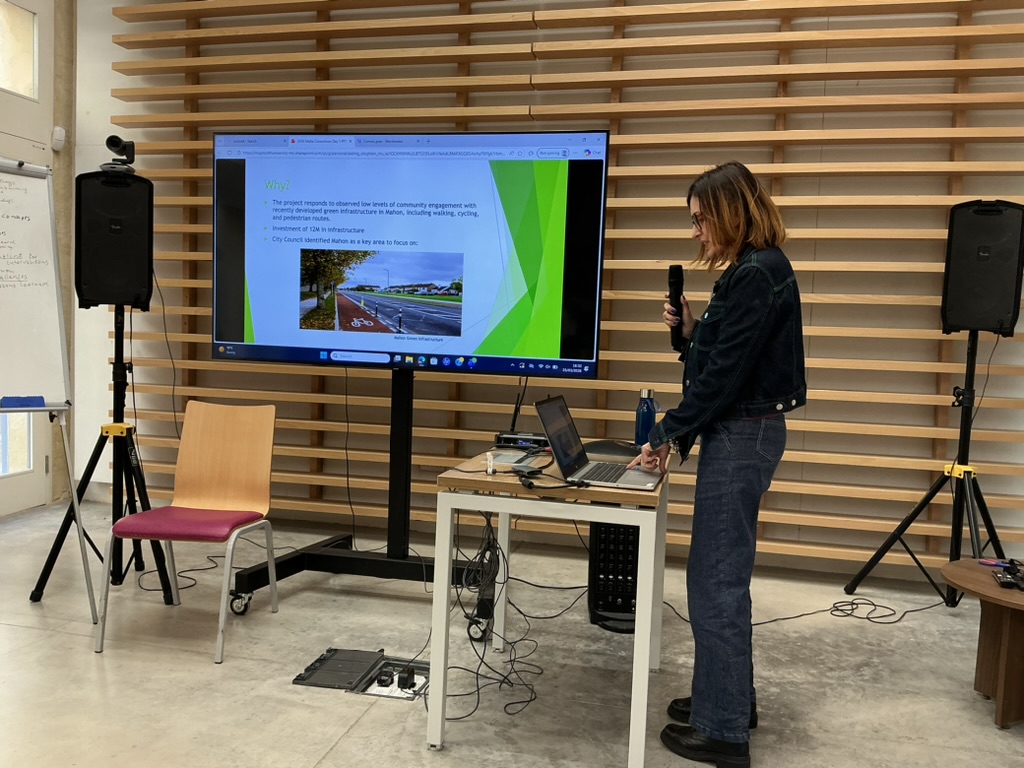
- Mapping local walking routes with citizens using local insider knowledge and lived experiences
- Exploring the social, emotional and experimental dimensions of these walking routes
- Strengthening community engagement in response to low uptake of existing active travel infrastructure that costs 12 million
The pilot involves collaboration with multiple local stakeholders:
- Cork City Partnership
- Mahon Community Women’s Group
- Cork City Council
- Cork City Marathon
- University College Cork (UCC)
- GoGreenNext
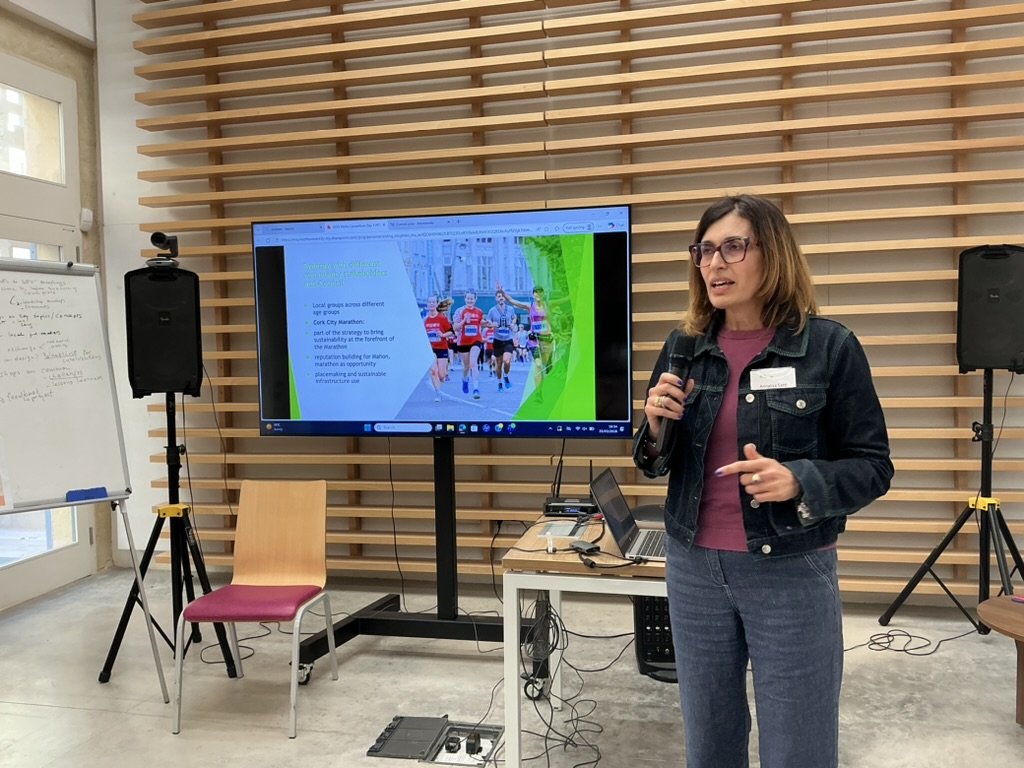
This makes it a truly collaborative and diverse approach to research as they aim to pay particular attention to engagement with under represented community groups to contribute to community led place making initiatives- strengthening local green engagement and health outcomes.
The team are also working on Douglas Street to revitalise a major historic and culturally vibrant area to promote sustainable urban living. This will include high quality public spaces, improve accessibility and an inviting environment for citizens to engage with. Cork City Council have invested 2.5 billion into making cork greener with sustainable infrastructure – making this an exciting opportunity for change.
Malta Pilot
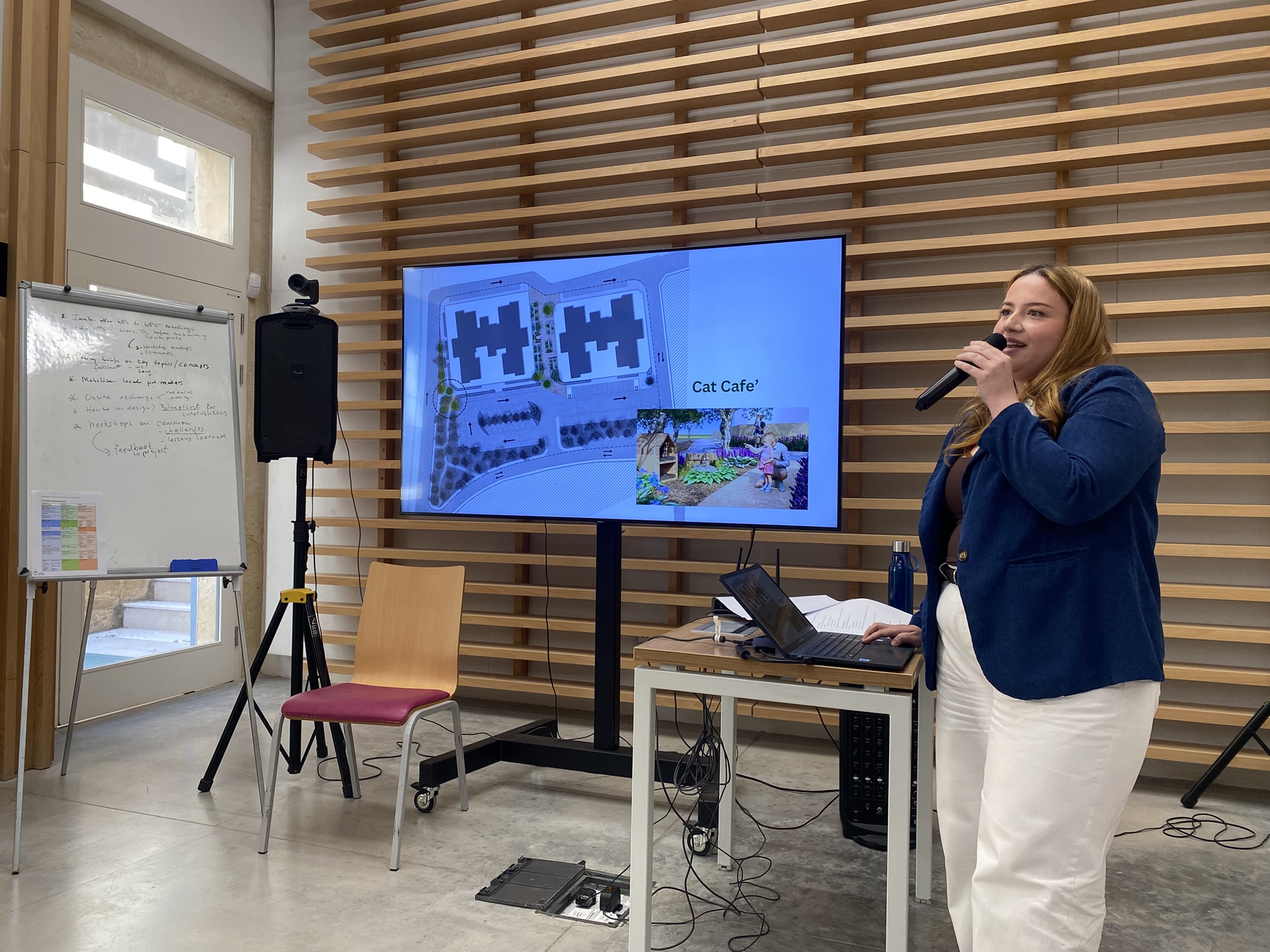
Last but certainly not least, we heard from Kirsty Vella, Senior Manager within Research and Development at Project Green about the progress of the Malta Pilot Site. Kirsty started by sharing their ambitious plans to revolutionise the access to green open spaces across Malta and Gozo to ensure that every citizen has access within a 10 minute walk from their homes.
Why increase access to green space?
To support the improved quality of life, boost biodiversity and build inclusive green spaces for everyone.
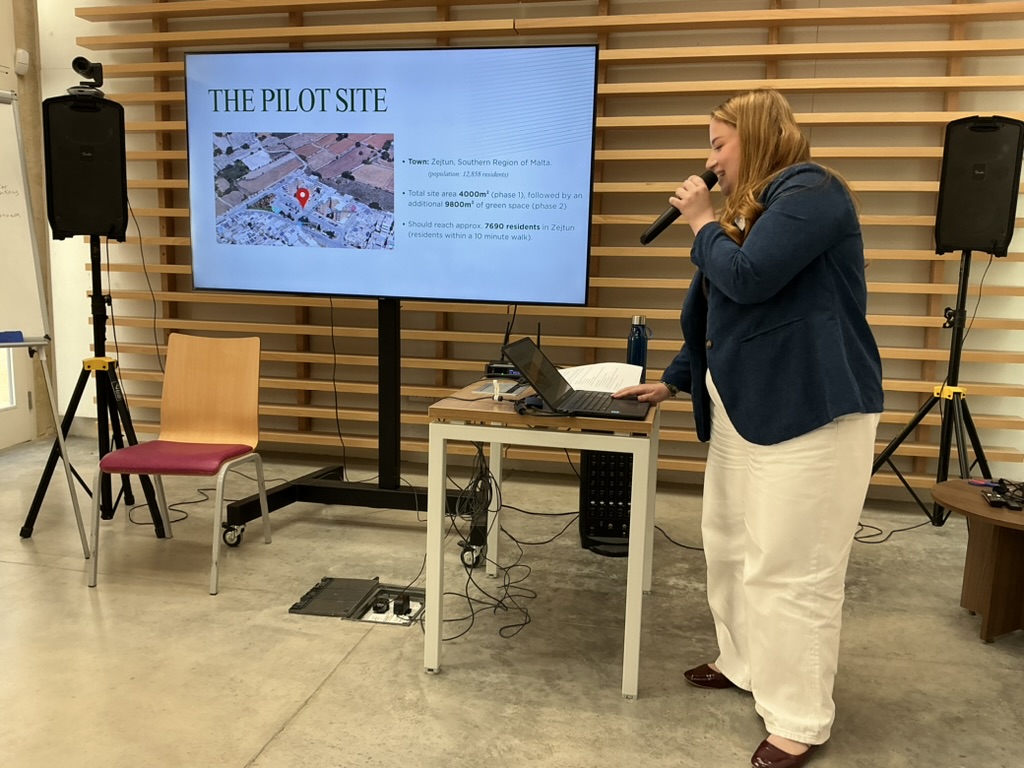
A key pilot initiative is in Żejtun – the southern region of Malta with a population of 12,858 residents aims to reach 7690 citizens.
Actions
- Transform a grey car park into a multifunctional green space
- Include allotments, a garden area, a water reservoir and community-focused features such as a cat-cafe
- Increase tree coverage by 40% and shrubs by 57%
- Deliver over 560m² of new community green space
A Strong Foundation for Impact
These pilot site presentations highlighted the ambitious implementation strategies of go green next climate and health related initiatives across the different pilot contexts. This showcases diversity, and the need to tailor initiatives to the local contextual factors for the best chance of impact.
Day 1’s closure set a powerful foundation for the 2 days that followed. From showcasing the enormous collaborative effort behind each pilot site that spans disciplines, stakeholders, regions, and communities across the world. To the importance of urban re-design, citizen participatory action, stakeholder co-collaboration, and youth engagement, each site contributes a vital piece to our overall mission of ensuring future cities are healthy for all citizens and the planet – reminding us why we do the work we do.
Stay tuned for day 2 insights, including the consortium group visit to the pilot site in Malta!
This project is funded by the EU Horizon Programme and the Swiss State Secretariat. Any of the views expressed reflect the author.

Subscribe for updates
Sign up to our newsletter and receive updates on the project progress