

GoGreenNext in Malta: Day 2 – Pilot Site Visit at the neighbourhood of Ġebel San Martin, in Żejtun
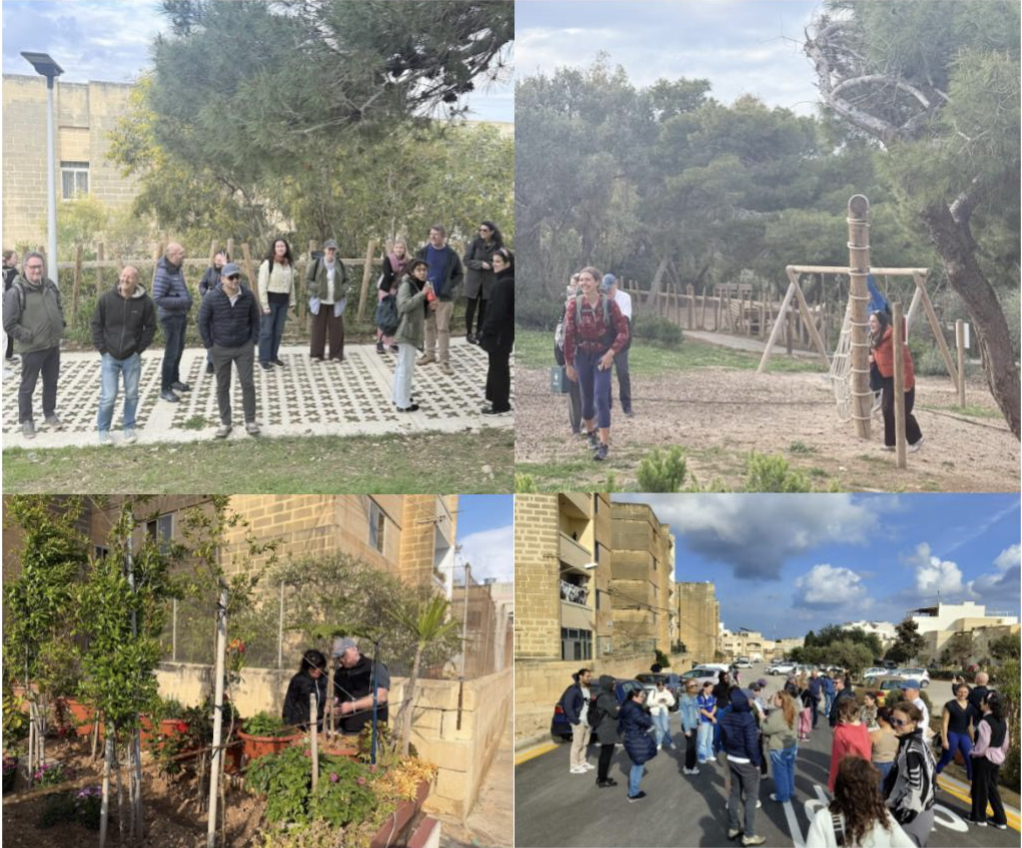
Amongst the extensive collaborative meetings and workshops taking place during the consortium visit, the afternoon was dedicated to experiencing the project’s ideas on the ground. The group gathered to begin the field component of the day. Although the weather appeared somewhat unpredictable, the team proceeded with the scheduled site visit to the pilot site in Żejtun, where the pilot interventions are planned to take place- the neighbourhood is called Ġebel San Martin.
This visit offered participants an opportunity to move beyond presentations and discussions, allowing them to observe the physical context in which the project’s concepts of urban greening and community engagement will be implemented.
During the visit, attendees walked through the existing site to identify current features and understand the character of the neighbourhood. What stood out immediately was the visible involvement of residents in greening their surroundings. Several homes displayed façade gardens, where climbing plants and potted vegetation soften the streetscape and introduce biodiversity into the urban fabric. Alongside these, community planters filled with herbs and flowering plants demonstrated a shared interest in cultivating greenery and creating a welcoming atmosphere for residents and visitors to the area.
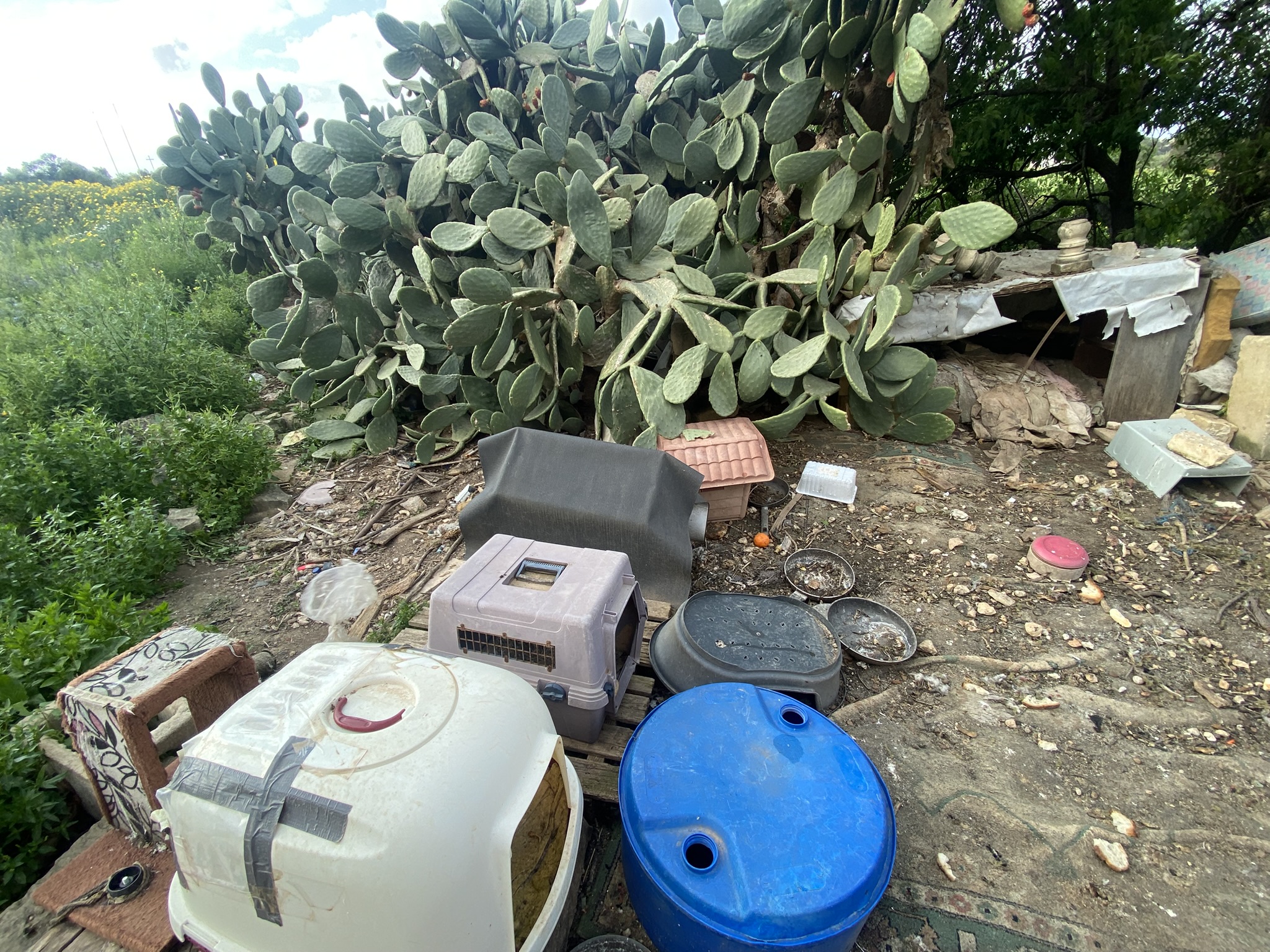
One particularly charming feature was the small “cat café” area, currently composed of a few boxes and pet carriers lined with blankets and food, where locals care for community cats. While modest in scale, this initiative reflects a strong sense of stewardship and compassion within the neighbourhood.
The proposed pilot intervention aims to build upon these grassroots efforts rather than replace them. By enhancing what the community has already initiated, the project seeks to create a multifunctional space that benefits both residents and the surrounding environment. Through thoughtful design and the integration of greenery, the space will serve as a living demonstration of ecosystem services within an urban context. Increased vegetation can help regulate microclimates, support pollinators, improve air quality, and contribute to urban food security through small-scale planting initiatives. Equally important, the intervention aims to strengthen community engagement by empowering residents to remain active stewards of their local environment.
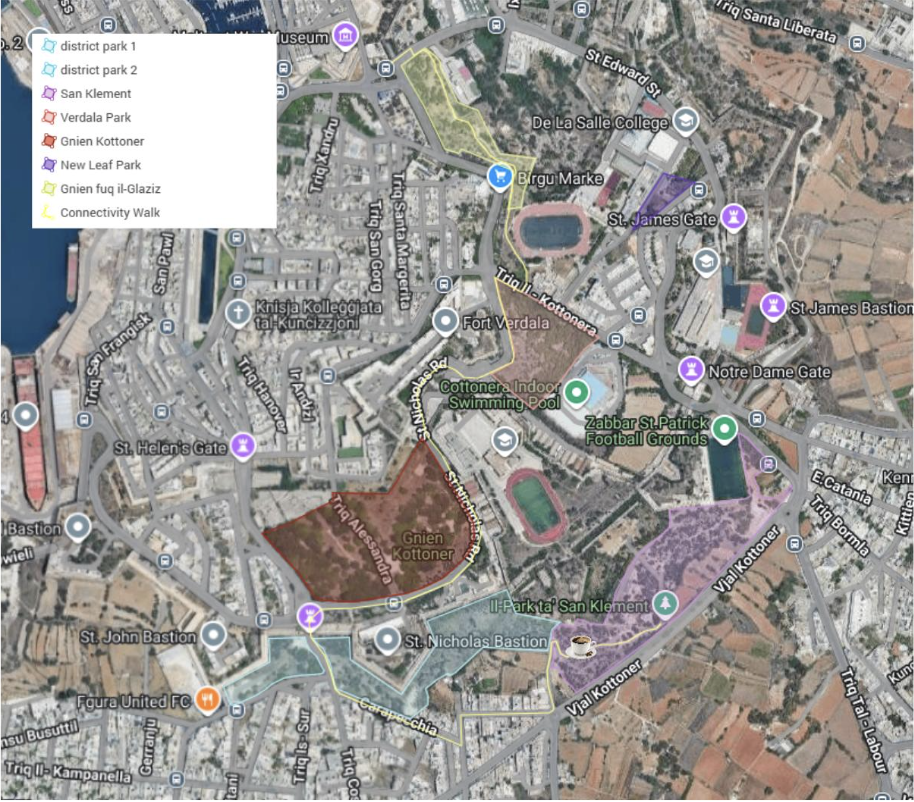
Following the site visit, the group continued the afternoon with a green connectivity walk across the Cottonera region. The trail began at Ġnien Fuq il-Glacis (which lets face it, the zip-line was super fun!) and guided participants through a network of open spaces, some already completed and others currently under development through projects led by Project Green. Along the route, participants passed areas such as Verdala Park, ‘Ġnien Kottoner’ and ‘Ġnien L-Inħawi’ before concluding the walk in San Klement Park.
This walk served as a practical demonstration of the concept of green connectivity. In urban planning, connected green spaces function as ecological corridors, allowing habitat connectivity while simultaneously providing accessible recreational spaces for communities. Rather than isolated parks, these interconnected green routes create a network that enhances biodiversity, improves urban resilience, and encourages active lifestyles. For residents, such corridors provide safe and pleasant routes for walking, social interaction, and daily contact with nature, all of which are increasingly recognised as essential contributors to mental and physical wellbeing.
The walk concluded with a warm coffee stop from Jacob’s Brew, a pay-it-forward coffee van that supports trauma survivors in Malta. Hearing Jacob’s story added a deeply human dimension to the day’s discussions on community resilience and social sustainability. It served as a reminder that environmental projects are most meaningful when they are embedded within the communities they serve.
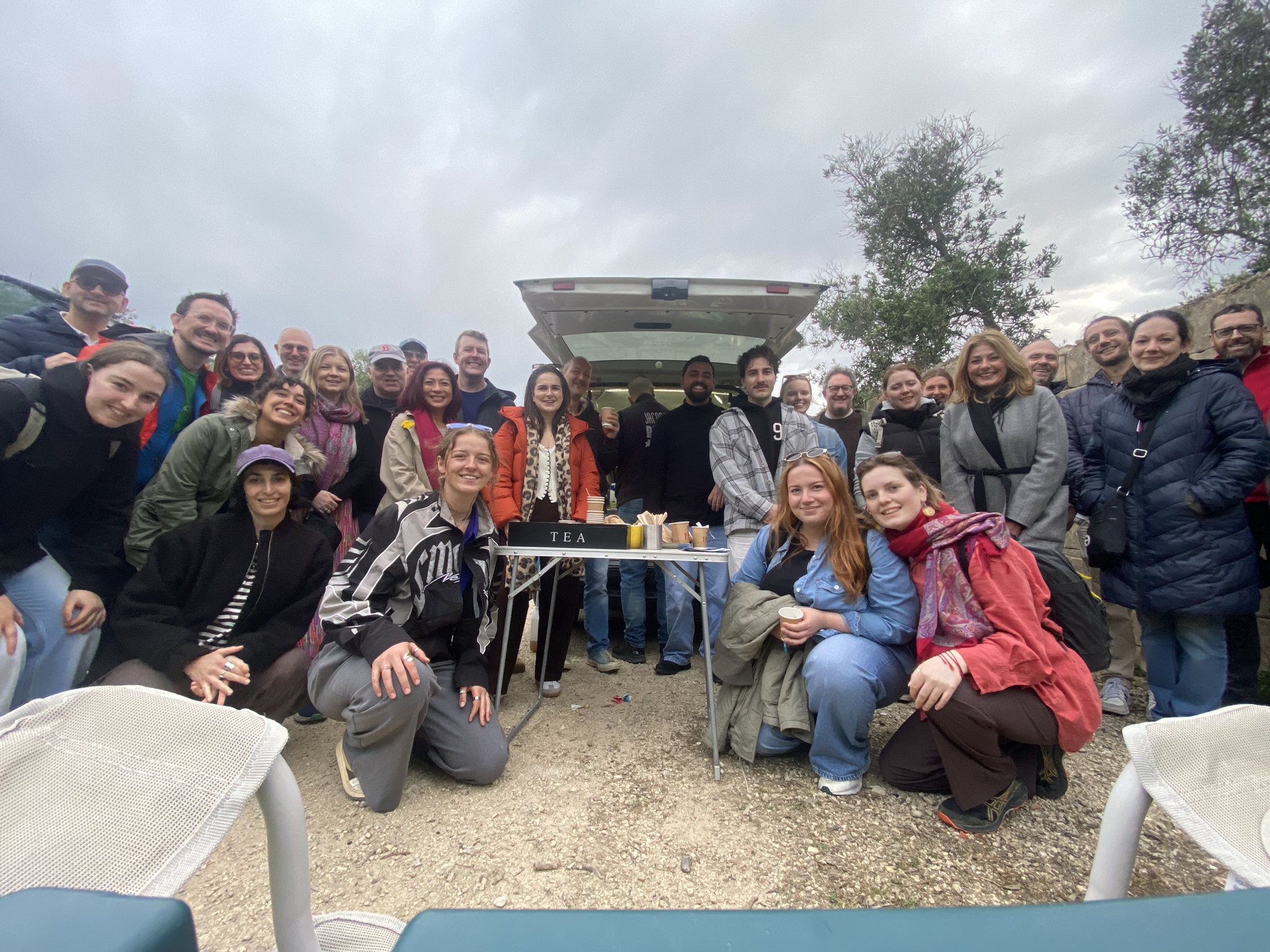
It was a truly connective, immersive and green afternoon for the consortium members who went on this adventure to the pilot site in Malta. We moved beyond the classroom and whiteboard by visiting the heart of where the proposed plans will be implemented. Seeing this early stage impact is important for progress tracking and accountability. We will share an updated blog post in the future when further developments are evident and this will be a nice comparison piece to look back on.
We’re proud to have Project Green as one of our partners, backed by a €700 million national investment over 7 years, starting in 2023, to create greener, more sustainable communities across Malta. See more here: https://projectgreen.mt/. Special thanks to our blog contributor, Kirsty Vella, from the Research & Development team at Project Green, for her valuable insights and for guiding us through the pilot site.

Subscribe for updates
Sign up to our newsletter and receive updates on the project progress