

GoGreenNext in Malta: Day 3 – The importance of Gender, Inclusion & Diversity in our project
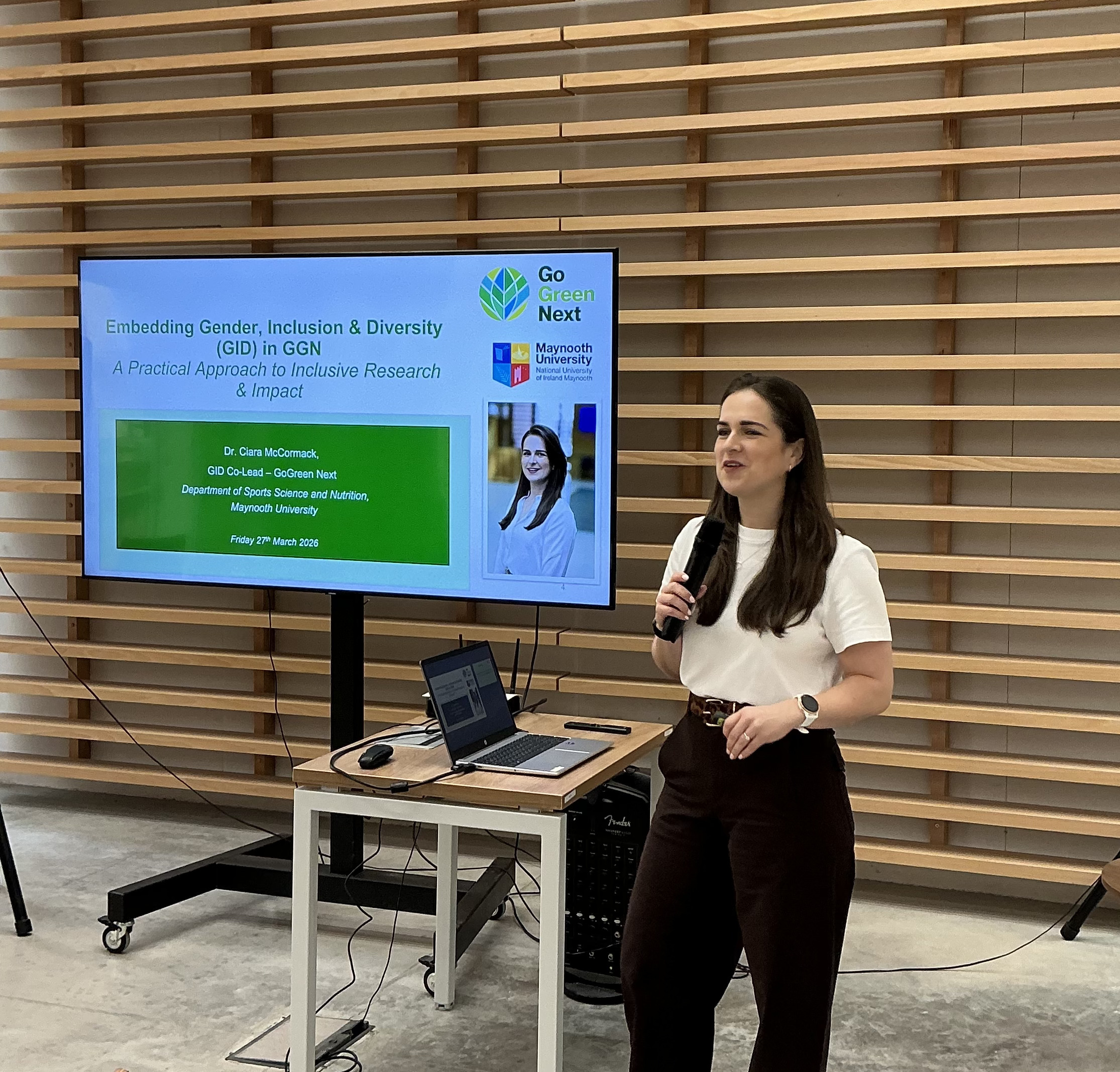
Dr. Ciara McCormack is the Co-Chair of the Gender, Inclusion and Diversity Committee, and she held a session on this topic on the final morning of the consortium meeting (Day 3, Friday 27 March). The workshop, titled “Embedding Gender, Inclusion & Diversity (GID) in GoGreenNext: A Practical Approach to Inclusive Research & Impact”, focused on strengthening inclusive practices across the consortium research approaches to maintain high research quality.
Why is Gender, inclusivity and Diversity (GID) important at GoGreenNext?
GoGreenNext aims to create sustainable, liveable, and inclusive cities. However, climate interventions do not impact all groups equally. Without careful consideration of gender, inclusion and diversity in our research, there is a risk of reinforcing existing inequalities.
Embedding GID ensures, broader and more representative participation, stronger relevance to the wider community and high quality research, with long lasting, real world impact.
As an EU-funded project under Horizon Europe, GoGreenNext has the opportunity to lead in area of Gender, Inclusion and Diversity, that moves beyond tick-boxing exercises, and instead toward inclusive design that supports the participation of under-represented communities.
Interactive Workshop
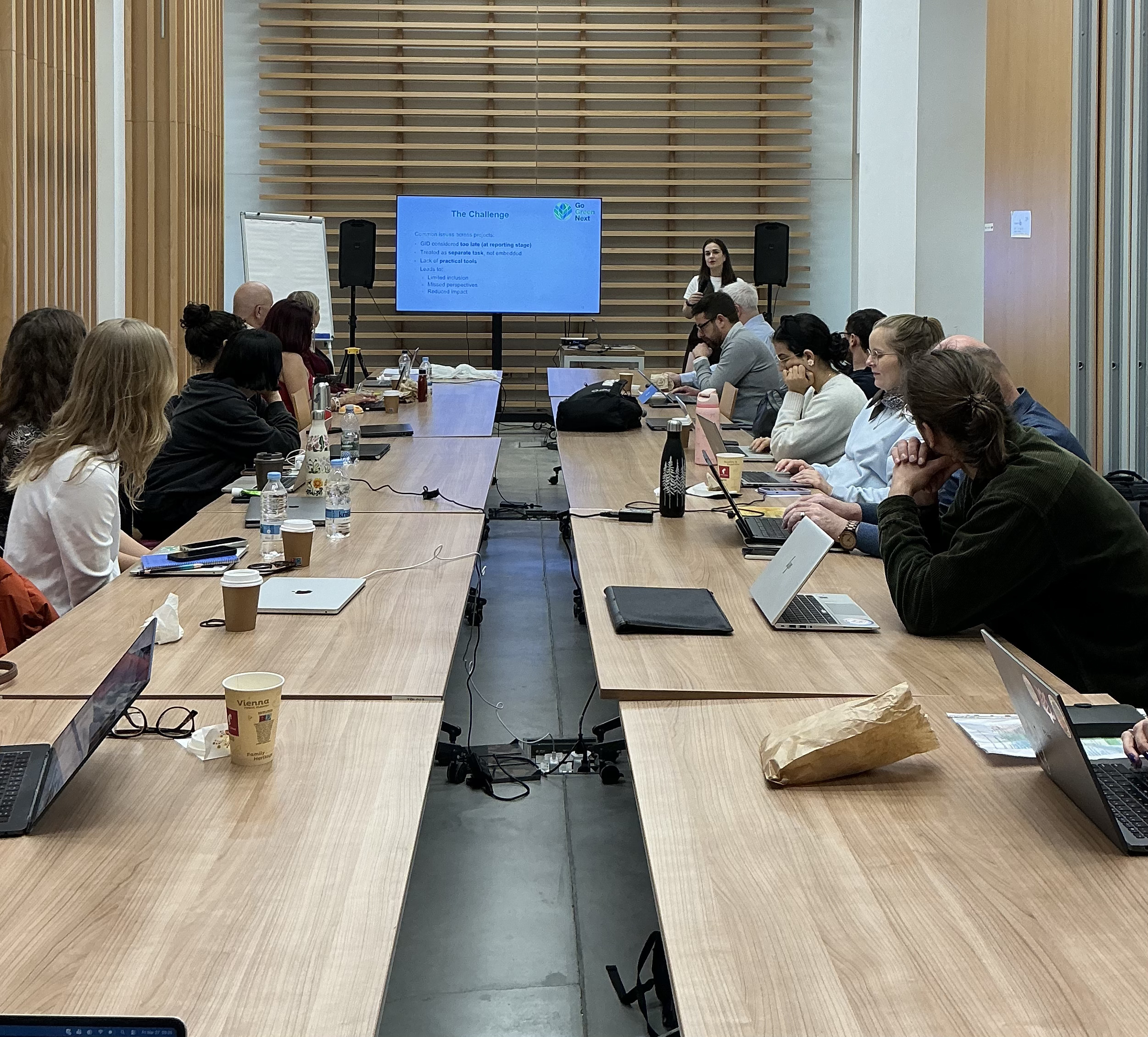
Ciara’s session adopted a two-way engagement approach. She explored how well consortium members understood the role of GID in their research design, activities, and communication outputs to date. She facilitated an open and informal discussion centred on the levels of awareness, and what opportunities exist for improvement.
These types of conversations open up dialogue for sharing diverse viewpoints between members, different research approaches, and lessons learned, to help shape better ways to move forward.
The majority of consortium members acknowledged that they tend to consider gender, inclusion, and diversity only at the implementation or reporting stage, rather than from the start of the research process. As a result, GID often becomes an an after-thought without understanding the impact that this can have. When GID is only considered at the reporting stage, it gets treated as a separate non-embedded task. Combined with the lack of practical available tools to help researchers, this can lead to limited inclusion, and missed perspectives, which reduce the impact the project can have.
Key Example:
Data collection in pilot cities may unintentionally focus on middle-aged, highly educated individuals who are already interested in sustainability. This can result in older adults, migrant communities, and lower socioeconomic groups, being underrepresented, due to language, awareness, and access barriers.
To address this, Ciara and her team will work with local community organisations, use trusted intermediaries, and adapt communication and delivery formats (e.g. translated materials, community-based sessions).
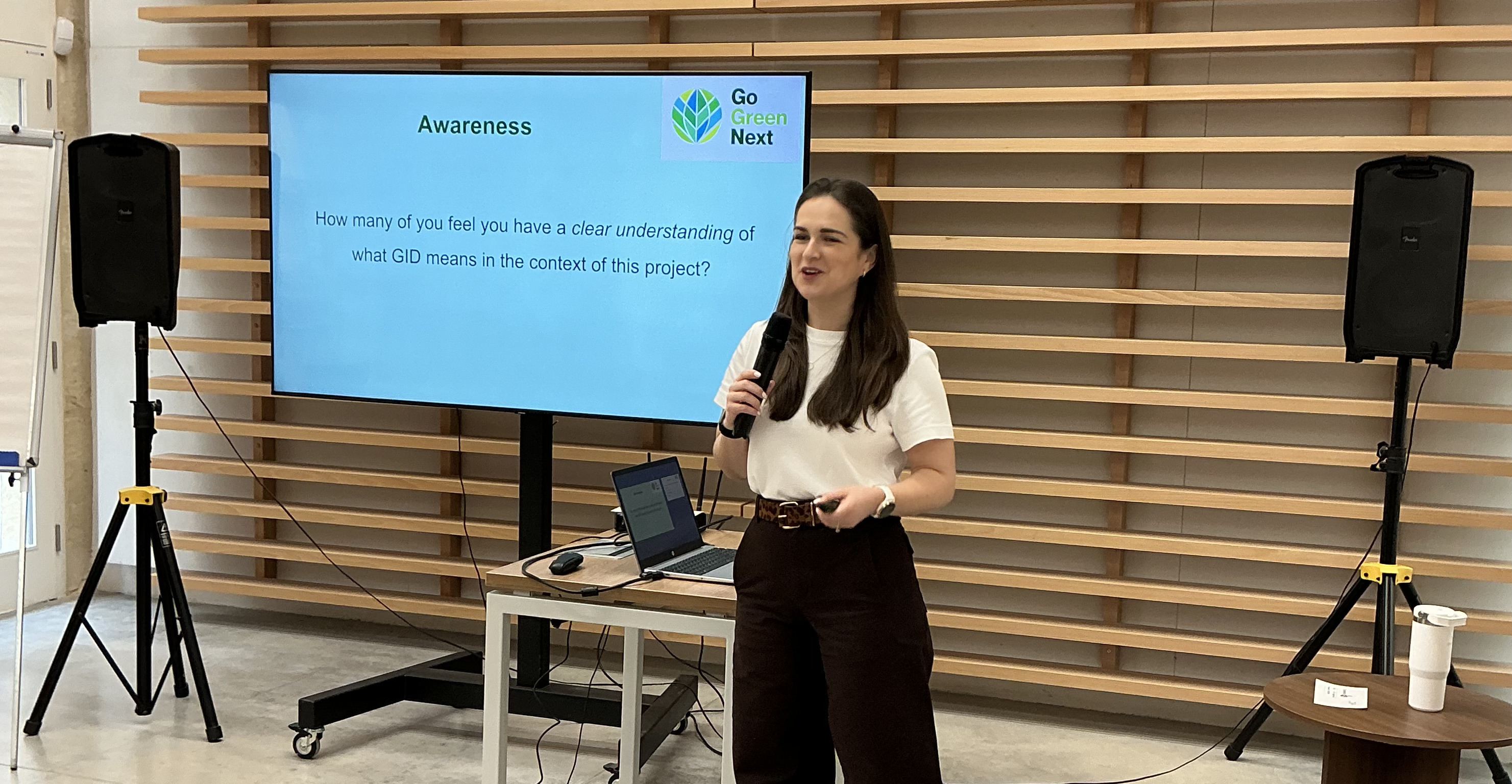
Ciara’s role in the project is to help reshape how consortium members are engaging with GID. Rather than viewing this approach as an “add-on” piece of work in an already demanding research process, she courages researchers to recognise it as an integral component of producing impactful, accessible, and equitable work that benefits everyone.
By clearly explaining the terminology, the benefits, and the impact of applying GID in the early design phase of the research project, Ciara is helping to build confidence in consortium members, as they begin to reflect more deeply on their current research process.
Supportive Toolkit
To further support the consortium members, Ciara and her team have designed a supportive tool: Gender, Inclusion and Diversity Reporting and Reflection Template.
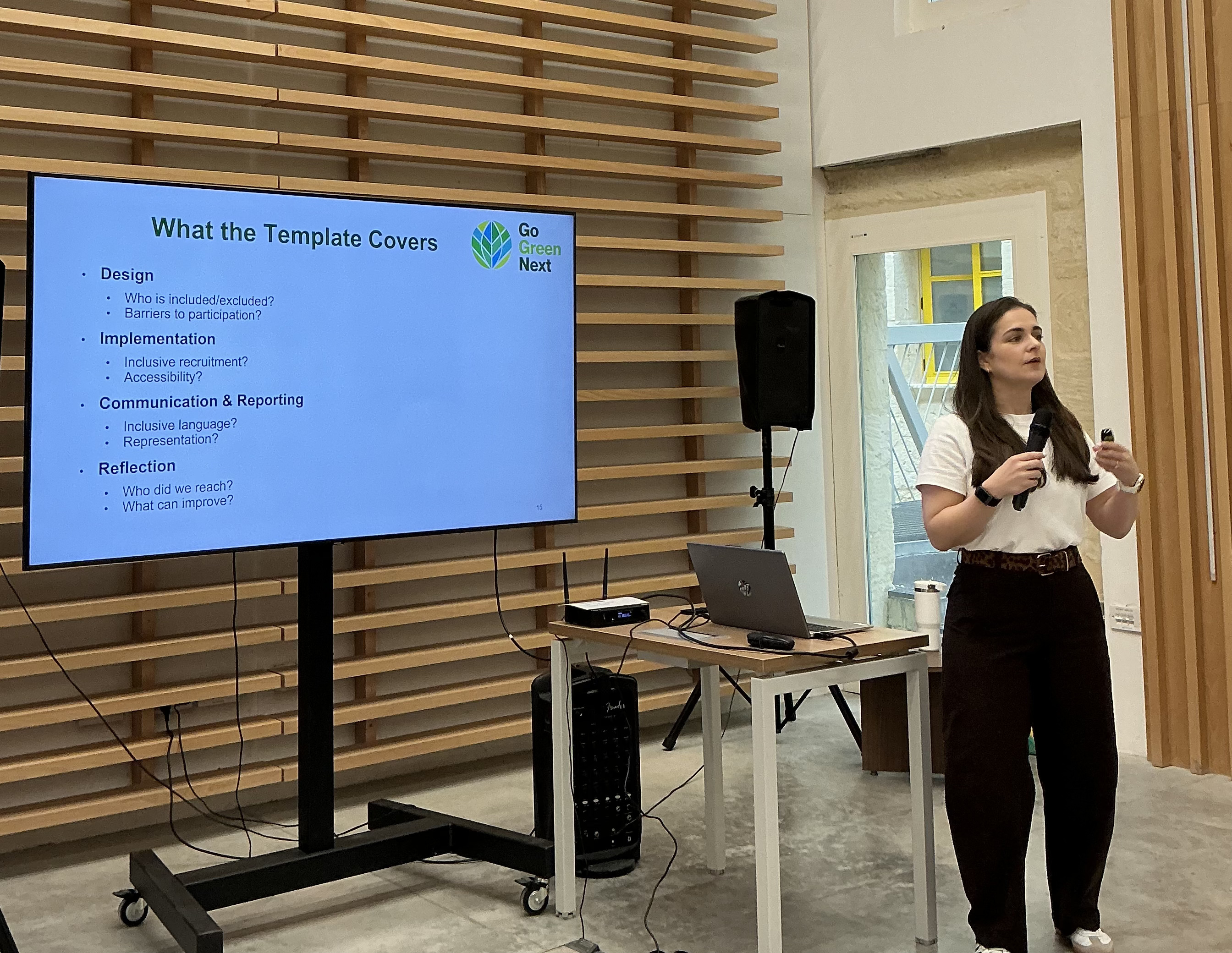
This tool aims to embed Gender, Inclusion and Diversity across design, data collection, and communication activities. The template will help track what groups might get missed, and how to improve outreach for wider participation. It covers areas such as barriers to participation, inclusive recruitment, accessibility, inclusive language, representation, and improvements.
This tool supports public and policy relevance, strengthens future funding applications, and provides ready to use materials for future papers and reports.
To close, Ciara emphasised one key principle:
“Think of this as a Mandatory reflection, not mandatory perfection as this is about awareness, transparency and learning from each other”
This quote captures the main message of the session, highlighting the importance of making Gender, Inclusion and Diversity a shared responsibility across the project as it moves into the next phase. Thank you to Dr. Ciara McCormack, and her team, for sharing their insights through this invaluable and engaging workshop.
Next, we will be sharing further insights from Day 3 workshops, including discussions on on the importance of Open science and Publishing research.

Subscribe for updates
Sign up to our newsletter and receive updates on the project progress